
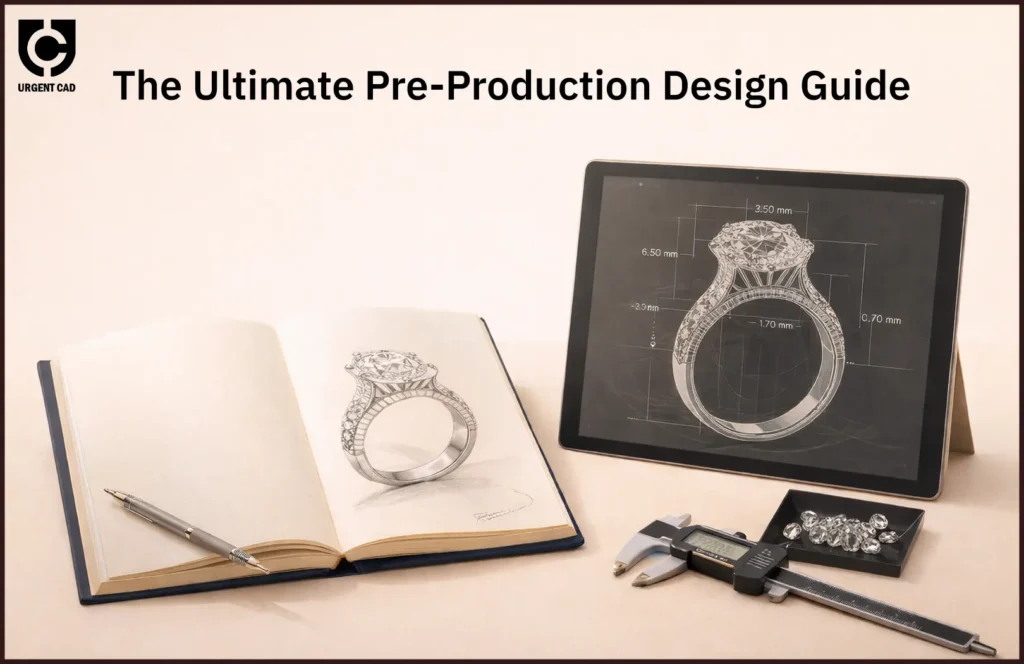
Pre-production design is the stage where ideas stop being abstract and start becoming real, structured, and practical. It is the phase where everything is planned before actual production begins whether you are building a product, launching a manufacturing process, or developing a creative design.
This stage includes defining specifications, preparing documentation, selecting materials, and validating concepts before investing heavily in production. At its core, pre-production is all about preparation. It includes everything between idea creation and full-scale production, such as prototyping, sourcing materials, and feasibility testing.
Think of it like building a strong foundation. If the foundation is weak, the entire structure becomes unstable. A brilliant idea without proper planning can quickly lead to delays, cost overruns, and poor-quality results.
One of the biggest advantages of pre-production is that it helps uncover hidden problems early. Instead of fixing issues during production when changes are expensive you identify them beforehand. This saves both time and money and improves the final result.
Why Pre-Production Matters in Modern Industries
Modern industries move very fast. Whether it is product design, manufacturing, or digital development, timelines are shorter and competition is stronger. That is why pre-production design has become more important than ever.
It works as a control center where every decision is tested before execution. Without pre-production, teams often work without clear direction. With it, designers, engineers, and marketing teams all follow the same plan, which reduces confusion and improves efficiency.
Pre-production also builds confidence. When everything is planned design, materials, and process production becomes smoother, faster, and more profitable.
The Role of Pre-Production in Design and Manufacturing
From Idea to Execution
Every successful product starts with an idea, but turning that idea into reality requires a structured process. Pre-production design bridges the gap between creativity and execution.
During this stage, ideas are converted into technical drawings, CAD models, and detailed specifications. These act as a blueprint for production and ensure that the design is both creative and practical.
Prototypes and simulations also help teams visualize the final product before it exists. This makes it easier to identify mistakes and improve the design before manufacturing begins.
Risk Reduction and Cost Efficiency
Pre-production design helps reduce risks. Finding a design mistake early is much cheaper than fixing it during production. Many industry reports show that errors found during production can cost up to ten times more than those identified during the design stage.
It also improves cost efficiency. When materials, workflow, and processes are clearly planned, there is less waste, fewer delays, and better results.
Step-by-Step Pre-Production Workflow
Step 1 – Concept Development
Everything begins with a clear design vision. This includes creating sketches, mood boards, and initial concepts that define how the product should look and function.
Step 2 – Research and Feasibility
At this stage, the idea is tested. Market research, competitor analysis, and technical feasibility are studied to make sure the concept is practical and profitable.
Step 3 – CAD Design and Documentation
CAD software is used to convert ideas into accurate 3D models and technical drawings. These models define dimensions, tolerances, and product details clearly.
Step 4 – Prototyping and Testing
Prototypes are created to test functionality, durability, and usability. Designers test, analyze, and improve the design until it performs perfectly.
Step 5 – Material Selection
Choosing the right material is essential. The selected material must balance quality, performance, durability, and cost.
Step 6 – Process Planning
This step defines how the product will be manufactured. It includes workflow planning, production methods, and process optimization.
Step 7 – Budgeting and Resource Planning
Costs for materials, labor, equipment, and production are estimated to ensure the project stays financially viable.
Step 8 – Team Collaboration
Designers, engineers, suppliers, and project managers work together. Clear communication ensures everyone follows the same plan.
Key Components of a Successful Pre-Production Design
Documentation and Specifications
Detailed documentation is essential. It includes technical drawings, material lists, and process guidelines that guide the entire project.
Quality Control Planning
Quality standards and testing procedures are defined before production begins. This ensures the final product meets expectations.
Common Mistakes to Avoid in Pre-Production
- Skipping proper testing and validation
- Poor communication between teams
- Rushing into production without planning
- Ignoring material testing
- Lack of proper documentation
Tools and Technologies Transforming Pre-Production
Modern technology has completely changed pre-production design. CAD software, AI-based simulations, and automation tools improve accuracy and speed.
Digital twin technology also allows designers to test products in virtual environments before creating physical prototypes. This reduces costs and improves efficiency.
Future Trends in Pre-Production Design
- Integration with smart manufacturing systems
- AI-driven design and simulations
- Sustainable material selection
- Eco-friendly production processes
- Faster digital prototyping
Conclusion
Pre-production design is not just a step it is the foundation of every successful project. It turns ideas into practical plans, reduces risks, and ensures better quality results. Investing time in pre-production leads to smoother production, better performance, and higher profitability.
FAQs
1. What is the main purpose of pre-production design?
It ensures that every part of a project is properly planned and tested before production begins.
2. How does pre-production save costs?
By identifying problems early, it avoids expensive changes during manufacturing.
3. What tools are used in pre-production design?
CAD software, simulation tools, prototyping tools, and project management platforms.
4. Why is prototyping important?
Prototyping allows designers to test and improve a product before full-scale production.
5. How long does pre-production take?
The duration depends on the complexity of the project, but it is essential for long-term success.
