
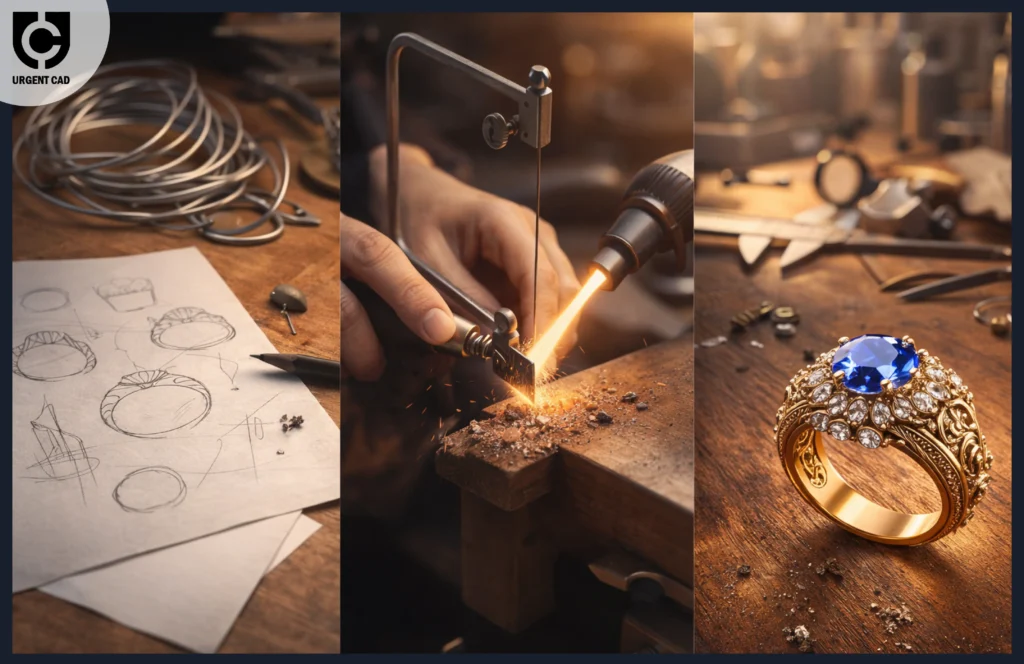
What Is a Jewelry Design Bootcamp?
Imagine stepping into a space filled with shiny metals, glowing gemstones, and tools that feel like they belong in an artist’s dream. That’s the vibe of a jewelry design bootcamp. It’s an intense learning experience where beginners and creative enthusiasts dive headfirst into the world of jewelry creation. Instead of spending years figuring things out alone, you learn through structured training, real projects, and hands-on practice.
Why Bootcamps Are Trending in Creative Learning
Traditional education often feels slow for creative learners. Bootcamps flip the script by offering fast, immersive learning. They’re practical, focused, and designed to get you creating from day one. Think of it like jumping into the deep end with floaties and a trainer cheering you on.
The First Step – Entering as a Complete Beginner
Common Fears and Expectations
Most students arrive with the same thoughts: “I’m not artistic enough,” or “What if I mess up?” The truth is, everyone starts somewhere. Bootcamps are built for beginners who want to explore creativity without fear.
Overcoming Creative Self-Doubt
Self-doubt fades once you start working with your hands. The first time you shape metal or set a stone, something clicks. Mistakes become lessons, not failures.
Understanding the Foundations of Jewelry Design
Materials, Tools, and Techniques
From sterling silver and gold alloys to gemstones and beads, bootcamps teach you about materials in detail. You learn how different metals behave, how stones respond to pressure, and which tools are essential for specific designs.
Safety and Workspace Basics
Safety is a big priority. Proper ventilation, protective glasses, and safe tool handling are part of daily learning. A good workspace is not just functional — it’s inspiring.
Learning the Art of Sketching and Concept Creation
Turning Ideas Into Visual Designs
Before metal meets fire, every piece begins with a sketch. Students learn to translate imagination into visual plans. Rough drawings evolve into polished design concepts.
Digital Design Tools Like UJCAD
Technology plays a major role. Software like UJCAD helps transform hand-drawn ideas into precise digital models. It’s like turning a rough map into a GPS-guided design plan, making production faster and more accurate.
Hands-On Craftsmanship Training
Stone Setting Basics
Stone setting feels like solving a puzzle with tiny, shiny pieces. You learn techniques such as prong setting and bezel setting. Each method requires patience and precision.
Metalworking Techniques
Sawing, soldering, and shaping metal become second nature over time. The process feels magical — watching a flat surface transform into a ring or pendant.
Polishing and Finishing Skills
Finishing is where designs come alive. Proper polishing adds shine and personality, turning raw creations into professional-quality pieces.
The Role of Mentorship and Expert Guidance
Learning From Master Jewelers
Experienced instructors share real-world tips you won’t find in textbooks. Their stories about successes and failures help students avoid common mistakes.
Real-Time Feedback and Growth
Immediate feedback accelerates improvement. Instead of guessing what went wrong, you learn directly from experts who guide you step by step.
Creativity Meets Technology
3D Printing in Jewelry Design
Modern bootcamps often include 3D printing. Designers create prototypes quickly, test ideas, and refine designs before final production.
CAD Software and Modern Design Trends
Computer-aided design tools allow intricate patterns that would be nearly impossible by hand. Technology expands creative possibilities without replacing traditional skills.
Building Confidence Through Projects
Designing Your First Collection
One of the most exciting moments is creating your first mini collection. Each piece reflects your evolving style and personality.
Group Collaboration and Peer Learning
Working alongside other creatives sparks inspiration. You learn new techniques by observing peers and sharing feedback.
Branding and Marketing for Jewelry Designers
Creating a Unique Brand Identity
Designing jewelry is only half the journey. Bootcamps teach how to build a brand voice, visual identity, and story that connects with customers.
Selling Online and Offline
From setting up an online store to showcasing at local markets, students learn practical ways to turn passion into profit.
From Student to Artisan
Final Show and Portfolio Creation
The bootcamp often ends with a showcase event. Students present collections to instructors, peers, and sometimes potential buyers.
Career Opportunities After the Bootcamp
Graduates pursue freelance design, launch brands, or collaborate with established jewelers. The experience opens doors to multiple creative paths.
Real-Life Transformation Stories
Hobbyists Turned Professionals
Many participants start as hobbyists making jewelry for friends. After the bootcamp, they transition into full-time designers or small business owners.
Passion Projects That Became Businesses
Some students begin with a single design idea and leave with a complete product line ready for market launch.
Challenges Faced During the Bootcamp
Managing Creative Blocks
Creative blocks happen. Bootcamps encourage stepping back, seeking inspiration, and experimenting with new materials to reignite ideas.
Time Management Tips
Intensive schedules require discipline. Breaking tasks into small goals helps maintain productivity without feeling overwhelmed.
Skills You Gain Beyond Jewelry Design
Problem-Solving and Innovation
Design challenges teach critical thinking. You learn how to fix broken pieces, adapt designs, and innovate under pressure.
Entrepreneurial Thinking
Bootcamps nurture business skills like pricing, customer communication, and product development strategies.
Is a Jewelry Design Bootcamp Worth It?
Cost vs Value Analysis
While bootcamps require investment, the skills, connections, and confidence gained often outweigh the costs. It’s like paying for a shortcut to years of trial and error.
Who Should Join?
Anyone with a creative spark artists, hobbyists, or career changers can benefit. You don’t need previous experience, only curiosity and commitment.
Tips to Maximize Your Bootcamp Experience
Preparation Before Joining
Research tools, gather inspiration boards, and set clear goals before starting. A focused mindset accelerates learning.
Networking and Community Building
Stay connected with classmates and instructors. These relationships often lead to collaborations and new opportunities long after the bootcamp ends.
Conclusion
A jewelry design bootcamp is not just a course it’s a transformation. You arrive as a curious beginner and leave as a confident artisan with practical skills, creative confidence, and a supportive community behind you. Through hands-on projects, mentorship, and exposure to both traditional craftsmanship and modern technology, you gain more than technical knowledge. You gain a new way of seeing the world one where creativity becomes tangible and ideas turn into wearable art.
Whether you dream of launching a jewelry brand or simply want to explore your creative side, the bootcamp journey offers an unforgettable experience filled with growth, discovery, and endless inspiration.
FAQs
1. Do I need previous experience to join a jewelry design bootcamp?
No experience is needed. Most bootcamps are designed for beginners and guide you step by step from basic concepts to advanced techniques.
2. How long does a typical jewelry design bootcamp last?
Bootcamps vary from a few weeks to several months, depending on the program’s intensity and structure.
3. What tools or materials are usually provided?
Most programs supply essential tools, metals, and stones. Some may require students to buy personal materials for continued practice.
4. Can I start a jewelry business after completing a bootcamp?
Yes. Many bootcamps include business training, branding guidance, and portfolio development to help launch a jewelry career.
5. Is learning digital design software necessary?
While not mandatory, digital tools and CAD software greatly expand design possibilities and are often included in modern training programs.

